Last updated November 25, 2026
How to Hire an ADU Contractor in Citrus Heights: A Step-by-Step Guide
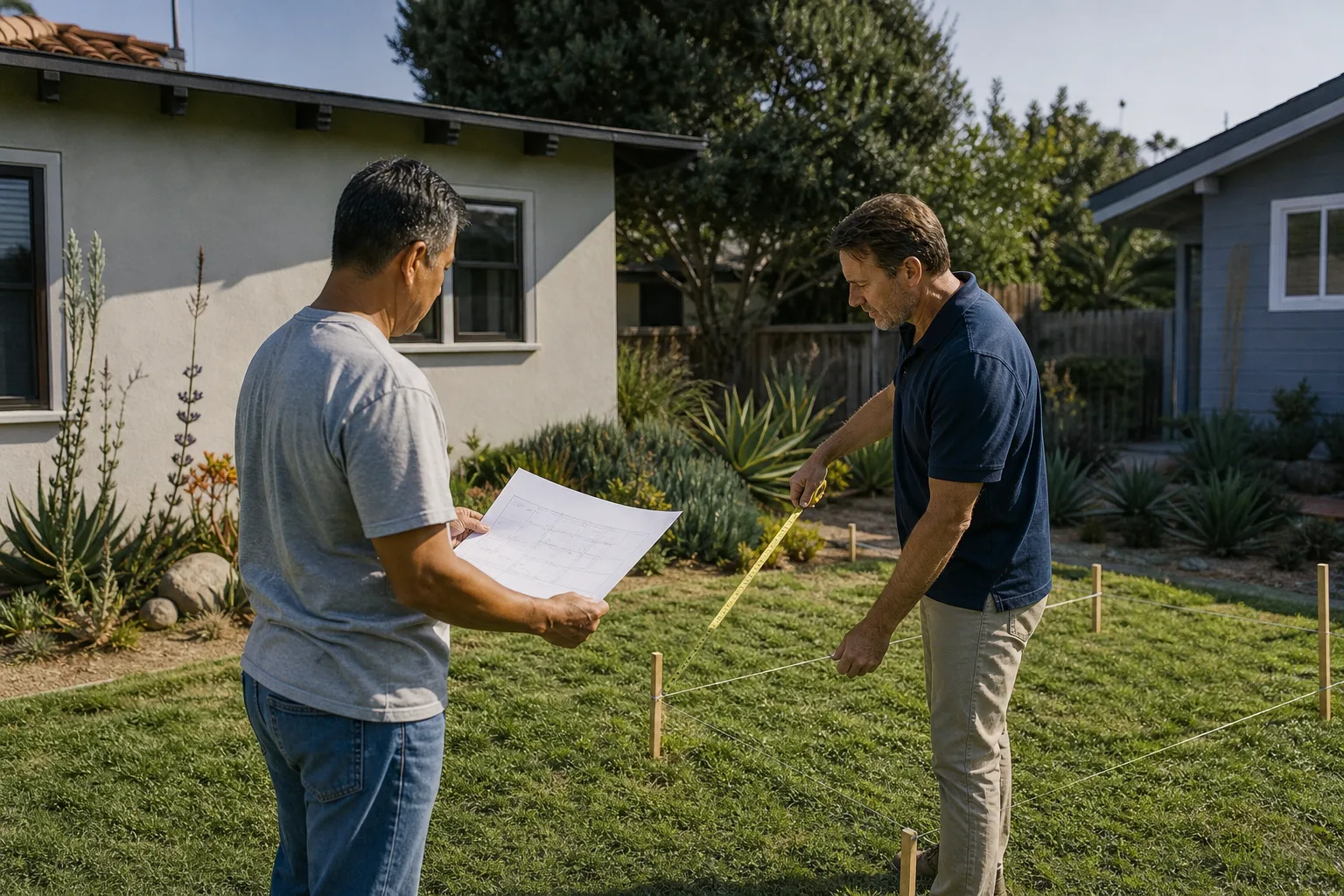
The most common contractor mistake on Citrus Heights ADU projects isn’t shoddy framing or a bad foundation pour. It’s a permit submittal that doesn’t match the current setback and height rules the city is actually enforcing, which sends the whole project back to the drawing board after weeks of waiting. Plans get rejected, revisions stack up, and the homeowner is left holding a contract with no clear path forward. Hiring well isn’t about finding the cheapest bid. It’s about finding someone whose daily work is ADUs, not someone squeezing your project between kitchen remodels. This guide gives you a vetting framework built around what ADU work actually demands in Citrus Heights, from the five questions that separate specialists from dabblers to the contract red flags that cost homeowners time and money.
Quick Answer
To hire an ADU contractor in Citrus Heights, verify ADU-specific experience, ask how they handle design and permit submission, look up their permit history with the city, and insist on a written contract with defined permit milestones and no vague allowances. An ADU specialist who handles design, permitting, and construction under one roof removes the coordination gaps that derail projects. Get free written estimates from at least two contractors, and ask each one directly who is accountable when a plan check comes back with corrections.
Table of Contents
- Why an ADU Specialist Beats a Generalist in Citrus Heights
- Five Questions That Separate ADU Specialists from Generalists
- What a Contractor’s Permit History with Citrus Heights Tells You
- Who Is Responsible for Design, Engineering, and Permit Submission?
- Red Flags in an ADU Contract
- How Prefab Changes the Vetting Process
- Matching Your Project Type to the Right Contractor
- What the Hiring Process Should Actually Look Like
Why an ADU Specialist Beats a Generalist in Citrus Heights
An ADU specialist in Citrus Heights builds accessory dwelling units and nothing else. That focus matters because ADU rules sit in a different section of the code than the rules a general remodeler works with every day. Setbacks, height limits, and owner-occupancy requirements change, and a contractor who touches an ADU once a year isn’t tracking those changes. A specialist is.
Citrus Heights sits in the Sacramento Valley, where summers run hot and long. That climate shapes ADU design in ways a coastal-minded builder might miss. Shade planning, window orientation, and cooling load all affect how livable a detached unit actually is in July and August. A contractor who works almost exclusively in this valley builds those decisions into the design phase instead of discovering them during framing.
Generalists also carry a coordination problem. When a general contractor sells you an ADU, the design often goes to an outside drafter and the permit work goes to an expediter. Each hand-off is a gap. When plan check comes back with corrections, nobody is quite sure who owns the fix, and the project stalls while emails go back and forth. A specialist who keeps design and permitting in-house closes that gap.
- Code familiarity: ADU-specific rules on size, setbacks, and occupancy get applied correctly the first time.
- Climate fluency: Valley heat and sun drive design choices that affect comfort and energy use.
- Single accountability: One company answers for design, permits, and construction.
- Project-type range: Detached units, garage conversions, and junior ADU projects each have their own path through the code.
That last point matters more than homeowners expect. A garage conversion follows different rules than a new detached structure, and a JADU follows different rules again. A specialist who builds all three types understands where the paths diverge and can tell you early which one fits your lot, your budget, and your goals.
Five Questions That Separate ADU Specialists from Generalists
Ask these five questions of every contractor you interview. The answers tell you more than any portfolio photo.
- “What share of your work is ADUs?” A specialist answers quickly and specifically. A generalist hedges, mentions a few projects, and pivots to their broader experience. You want the first kind.
- “Who draws the plans, and who submits them to the city?” The right answer names a clear internal owner, or a clearly named design partner with a defined hand-off. The wrong answer is vague: “we work with a few architects.”
- “How do you handle plan check corrections?” Every ADU project gets corrections. A specialist expects them and builds the response into the contract. A generalist treats them as an unwelcome surprise, which is exactly when budgets slip.
- “Have you built on lots like mine?” Lot size, slope, and existing structures all shape what’s possible. A contractor who knows Citrus Heights lots can tell you upfront whether a detached unit, an attached addition, or a conversion is the realistic path.
- “What’s in the contract’s allowance line items?” Vague allowances are where ADU budgets go to die. A specialist itemizes. A generalist writes “miscellaneous” and sorts it out later.
Ask these questions in the first conversation, not after you’ve signed. The way a contractor handles a direct question about their own process tells you how they’ll handle the harder conversations that come up during construction.
What a Contractor’s Permit History with Citrus Heights Tells You
A contractor’s permit history with the city is public information, and it’s the most honest picture of their real ADU experience you’ll get. Portfolio photos can be staged. A permit record can’t. It shows what they’ve actually built, where, and how the review process went.
You can look it up through the city’s building department. Ask for the permit search or public records request process, and search by the contractor’s business name or license. What you’re looking for isn’t sheer volume. It’s pattern.
- Consistency: ADU permits appear regularly, not once every few years.
- Project type variety: Detached units, garage conversions, and JADU permits all show up, which signals real range.
- Completion: Permits reach final inspection rather than sitting open. Open permits can signal trouble finishing projects.
- Correction history: Repeated plan check corrections on similar issues suggest the contractor isn’t tracking current rules.
You don’t need to become a permit detective. Ask the contractor directly for a list of recent Citrus Heights ADU permits they can share, then spot-check a couple. A specialist hands that list over without hesitation. A generalist often can’t produce it at all.
Who Is Responsible for Design, Engineering, and Permit Submission?
One company should be responsible for all three: design, engineering, and permit submission. When those pieces are split across separate vendors, the homeowner becomes the project manager whether they planned to or not. That’s a recipe for delays and finger-pointing.
Here’s how the hand-offs usually break down, and what each one costs you:
- Homeowner hires designer, then builder separately. Design decisions get made without construction input, and the builder inherits plans they may need to redraw. Change orders follow.
- Builder subcontracts design. The designer works for the builder, not you, but the builder may not have authority to push design changes through quickly. Corrections bounce between parties.
- Design and permitting in-house. One company drafts the plans, submits them, responds to corrections, and builds to the approved drawings. Accountability is clear.
We handle the permits on our own projects, and that’s deliberate. It means the person who drew the plans is the same person answering the city’s questions about them. No translation layer, no lost emails, no guessing who dropped the ball. When you’re interviewing contractors, ask them to describe their process in exactly these terms. The answer will tell you whether you’re getting a single point of accountability or a relay race.
Engineering fits into this too. Many ADU designs need structural engineering sign-off before permit approval. Ask who arranges it and who pays. A clear answer here is a good sign the contractor has done this many times.
Red Flags in an ADU Contract
Read the contract carefully before signing, and watch for these specific problems. Each one is common, and each one shifts risk from the contractor onto you.
- Vague allowances. A line item that says “finishes: $25,000” without specifying what finishes means the contractor decides later, and you pay the difference. Insist on itemized allowances with brand-level specificity.
- Missing utility line items. Sewer, water, gas, and electrical connections to the main house are real costs. If the contract doesn’t name them, they’re likely excluded, and they’re rarely cheap.
- No defined permit milestone. The contract should say who submits the permit, who pays permit fees, and what happens if corrections push the schedule. Silence here means the risk is yours.
- No change-order process. Changes happen on every project. A contract without a written change-order process means disputes get settled by whoever is louder.
- Unclear payment schedule. Payments should tie to completed milestones, not calendar dates. Large upfront payments before any work starts are a warning sign.
- No named scope of work for site prep. Demolition, grading, and utility trenching often hide in the fine print. Get them named and priced.
- No schedule in writing. A contract without a written schedule and milestone list leaves you with no basis to raise a delay concern.
One more thing worth checking: whether the contractor will hand over the full plan set and engineering at the end of the project. You own the plans you paid for. Make sure the contract says so.
How Prefab Changes the Vetting Process
A prefab ADU changes what you’re vetting. You’re no longer evaluating a builder’s framing skills on your lot. You’re evaluating two things: the factory’s manufacturing quality and the local contractor’s site work, foundation, utility connections, and permit handling. Those are different skill sets, and you need to vet both.
Prefab units arrive largely built. That means the factory’s reputation matters, but so does the contractor’s relationship with that factory. An authorized builder for a prefab brand has been vetted by the manufacturer and works within their system. That relationship often means faster coordination, familiar installation crews, and fewer surprises on delivery day. We’re an authorized builder for Abodu, Cover, and Dvele, and that relationship gives our clients real choice in how their ADU gets built, whether that’s a premium factory unit or a fully custom structure.
When vetting a contractor for prefab work, ask these questions:
- Are you authorized for this specific brand? Ask for confirmation and check it with the manufacturer.
- Have you installed this model before? Familiarity with the specific unit matters for foundation design and utility rough-in.
- Who handles the foundation and site work? The factory doesn’t touch your lot. Confirm the local scope is clearly contracted.
- What’s the permit pathway for a prefab unit here? Prefab still needs permits. A contractor who can’t explain the pathway for a factory-built unit isn’t the right fit.
- What’s factory lead time versus site work lead time? Prefab schedules have two clocks running. Ask how the contractor sequences them.
Prefab and custom aren’t competing options so much as different paths. Your ADU, your choice. The right contractor can walk you through both honestly.
Matching Your Project Type to the Right Contractor
Different ADU types need different contractor strengths. Detached units require full design-and-build capability and site work. A garage conversion leans heavily on interior construction, insulation, and code compliance for habitable space. A JADU is smaller in scope but tighter on rules, since it sits inside or attached to the main house. Match your project type to a contractor who builds it regularly.
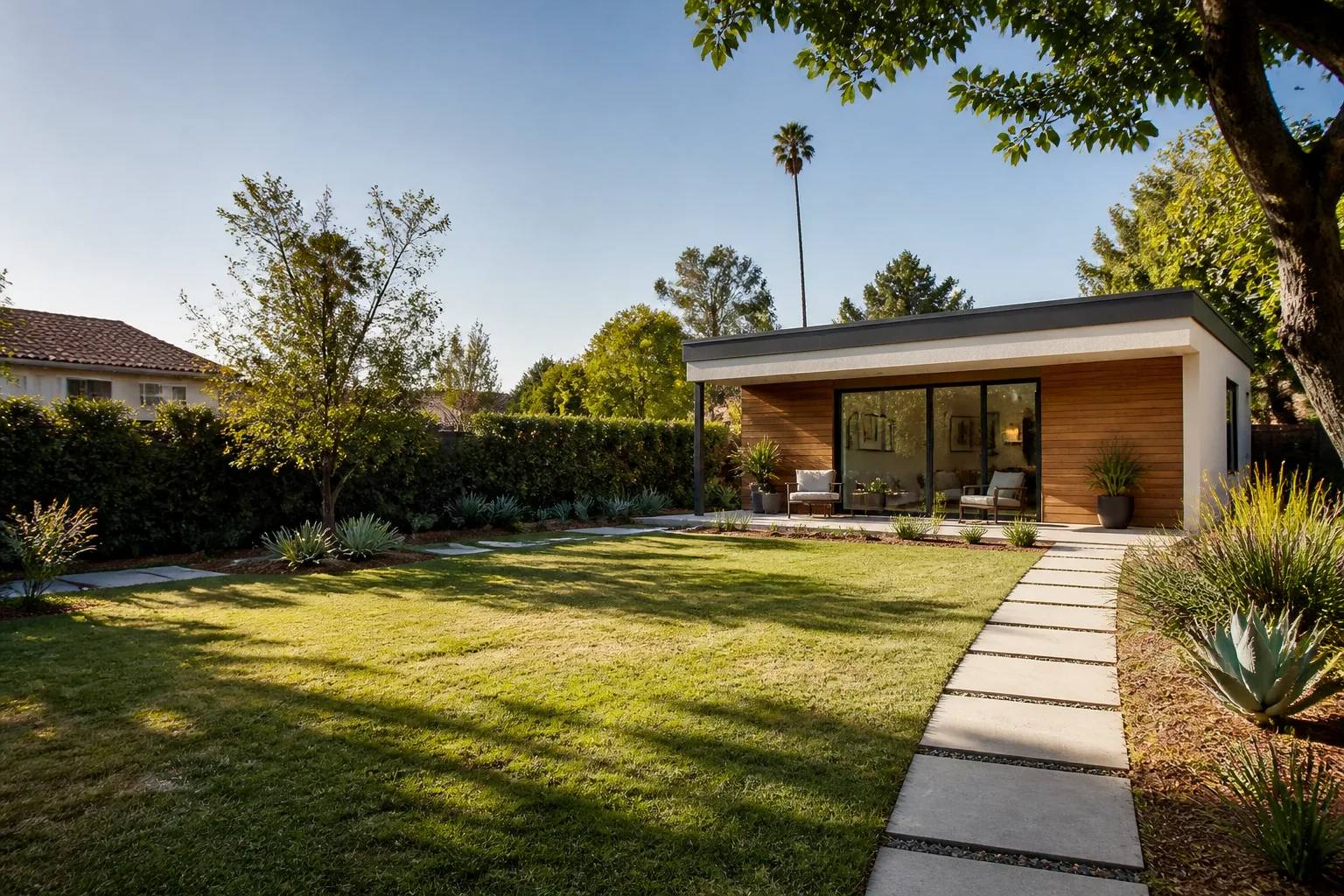
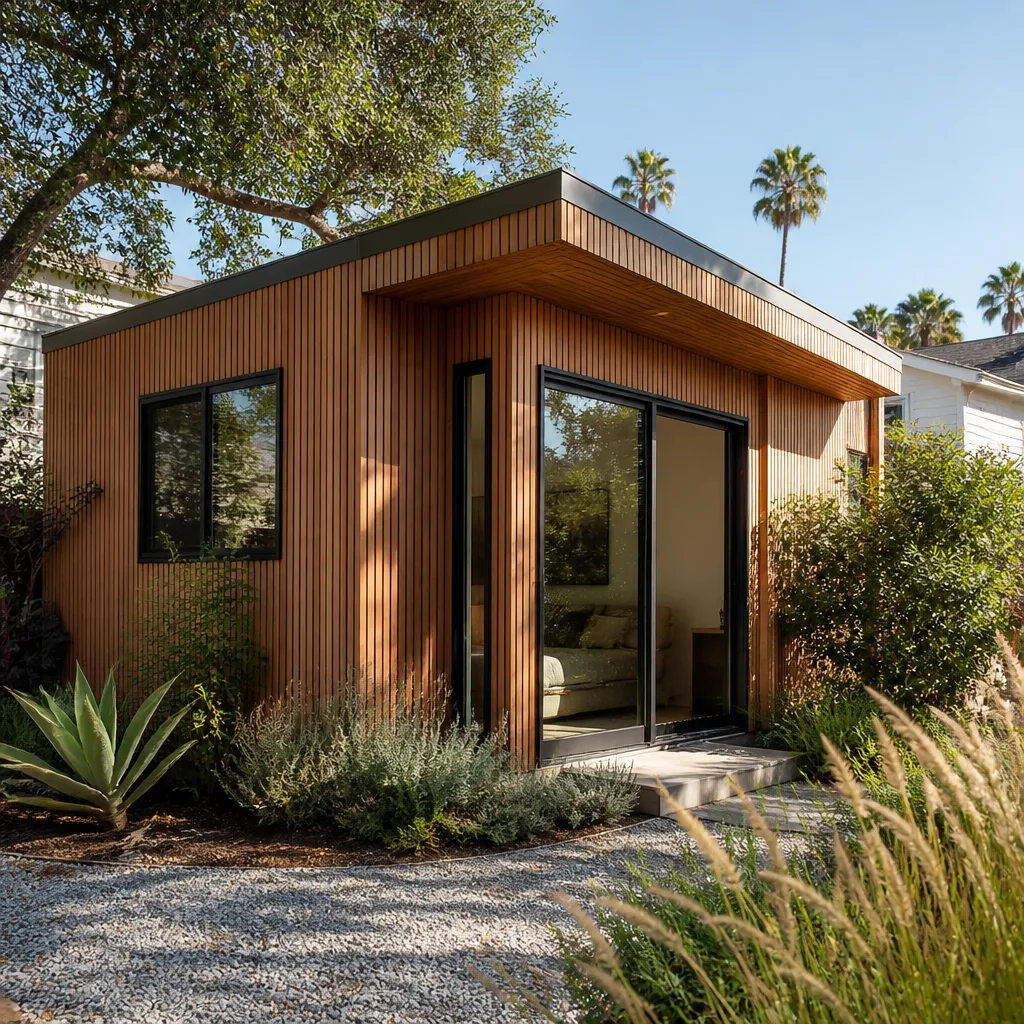
A detached ADU is the largest and most complex path. It involves site work, foundation, utility trenching, and full new construction. Prefab options work well here since factory construction handles the structure efficiently, leaving the contractor to focus on site work and connections. Custom builds also work, with more design flexibility and a longer schedule.
A garage conversion is the budget-friendlier entry point. You’re converting existing square footage into living space, which means no new foundation and no new footprint. The work still needs permits, and the space needs to meet habitability standards for insulation, light, ventilation, and egress. A contractor who’s done many conversions knows exactly where the code tightens. This is often the fastest way to turn your garage into rental income.
A JADU is typically a smaller unit created within the main home’s footprint or attached to it. The rules differ from a detached unit in specific ways that change as local ordinances update. A specialist confirms current rules with the city’s planning department before the design is final, rather than assuming. Home additions tied to ADU projects round out the picture, useful when an attached unit makes more sense than a detached one.
Ask any contractor which of these types they build most often. The honest answer tells you where to focus your vetting.
What the Hiring Process Should Actually Look Like
Hiring a contractor for an ADU in Citrus Heights should follow a clear sequence. Skipping steps is how homeowners end up with a contract they don’t fully understand and a schedule that keeps slipping.
- Define your goal. Rental income, housing a family member, or added property value. Each goal points toward a different ADU type and budget range.
- Research two or three ADU-focused contractors. Look for ones who handle design and permitting in-house, and cross-check their permit history with the city.
- Request free written estimates. The estimate should be itemized, with allowances specified and utility line items named.
- Interview each contractor using the five questions. Listen for specifics and clear ownership of the permit process.
- Ask about prefab versus custom. A good contractor will walk you through both paths, including the factory lead time and the site work schedule.
- Review the contract line by line. Confirm permit milestones, payment schedule, change-order process, and who owns the plans.
- Verify before you sign. Spot-check the permit history, confirm the contractor’s standing with the city, and ask about their design and engineering partners.
The whole process takes real time. That’s fine. A slow, careful hiring process is cheaper than a fast one followed by a troubled project. Our team at ADU Builder Citrus Heights walks every client through this sequence because we’ve seen what happens when it gets skipped.
Common Mistakes to Avoid
- Hiring the lowest bid without comparing scope. The cheapest bid is often cheapest because it excludes utilities, grading, or permit fees. Compare line items, not totals.
- Assuming a general contractor handles ADU permits. Many do the design work but hand off permitting to an expediter, which creates a gap when corrections come back. Ask who submits and who responds to corrections.
- Skipping the permit history check. A contractor’s permit record with Citrus Heights shows their actual ADU experience. It’s public and easy to request. Use it.
- Accepting vague allowances. “Finishes to be determined” in a contract means the contractor picks and you pay. Insist on itemized, brand-level allowances.
- Overlooking valley heat in design choices. Citrus Heights summers are long and hot. Shade, window orientation, and cooling strategy should appear in the design conversation, not after framing.
- Assuming prefab skips the permit process. Factory-built units still need permits, foundations, and utility connections. Vetting the local contractor matters as much as vetting the factory.
- Signing without a defined change-order process. Every ADU project gets changes. A contract without a written process for handling them turns small adjustments into disputes.
When to Call a Professional
Call a professional the moment your ADU plans involve permits, utility connections, or structural changes to your home. That covers every real project. If you’re weighing whether a detached unit, a conversion, or a JADU makes sense for your lot, an experienced contractor can tell you in a single conversation which path the rules actually allow. If you’ve been told by another contractor that “we’ll figure out the permits later,” that’s a strong reason to get a second opinion. If a plan check has already come back with corrections and your current contractor seems unsure how to respond, that’s another. ADU Builder Citrus Heights offers free estimates in Citrus Heights. Call (279) 321-4864. We answer 24/7. Fast dispatch from 7am to 7pm, Sunday through Friday. Our technicians have up to 11 years of experience, and our work runs from design through final inspection.
Frequently Asked Questions
What you pay a contractor depends on the ADU type, site conditions, and whether you choose prefab or custom construction. Prefab units from brands like Abodu, Cover, and Dvele arrive factory-built, which can simplify structural costs, while custom builds typically cost more and take longer. A written, itemized estimate is the only number that means anything for your specific lot. Call (279) 321-4864 for a free estimate, and we’ll break down line items in writing.
You can hire a general contractor, but an ADU specialist is a lower-risk choice because the rules that govern ADUs differ from general remodeling rules and they change with the city. A specialist tracks those changes, knows the local setback and height requirements, and handles design and permitting in-house. A generalist often subcontracts design and permitting, which creates the coordination gaps that delay projects. Confirm the contractor’s ADU focus and permit history before hiring.
The company that designs your ADU should also submit and shepherd the permit. Splitting design from permitting means nobody is fully accountable when corrections come back, and that’s where weeks disappear. Ask each contractor directly who submits the permit, who pays the fees, and who responds to plan check corrections. We handle the permits on our projects, and that single point of accountability matters on every job.
Neither is universally better. Prefab units from a manufacturer like Dvele offer factory precision, faster assembly once the unit is on site, and predictable quality control. Site-built custom work offers design flexibility specific to your lot. The right choice depends on your budget, timeline, lot, and goals. An authorized prefab builder can walk you through both paths with honest trade-offs, and that comparison is a reasonable thing to ask for in your first conversation.
A good ADU contract names the permit milestone, the change-order process, the payment schedule tied to completed work, itemized allowances with brand-level specificity, and every utility line item. It should also state a written schedule with milestones and confirm that you receive the final plan set and engineering documents at completion. Missing any of these shifts risk onto you. Review the contract line by line before signing, and ask for anything that’s unclear in writing.
Yes, and it’s often the more affordable entry point. A garage conversion adds habitable square footage without new construction footprint, which reduces structural and foundation costs. The converted space still needs to meet habitability standards for insulation, ventilation, light, and egress, and it still needs permits. A contractor with garage conversion experience knows where the code tightens and can tell you quickly whether your garage is a good fit. Call (279) 321-4864 for a free estimate.
The Bottom Line
Hiring the right contractor is the single most important decision in your Citrus Heights ADU project. Focus on ADU-specific experience, confirm who handles design and permit submission under one roof, and check the contractor’s permit history with the city. Read the contract for vague allowances, missing utility line items, and undefined permit milestones, because that’s where budgets go sideways. If you’re considering prefab, vet the authorized builder relationship as carefully as the factory. The best ADU builders make the process transparent from the first call. Call (279) 321-4864 for a free estimate and a written, itemized breakdown of your project.
Written by the team at ADU Builder Citrus Heights.